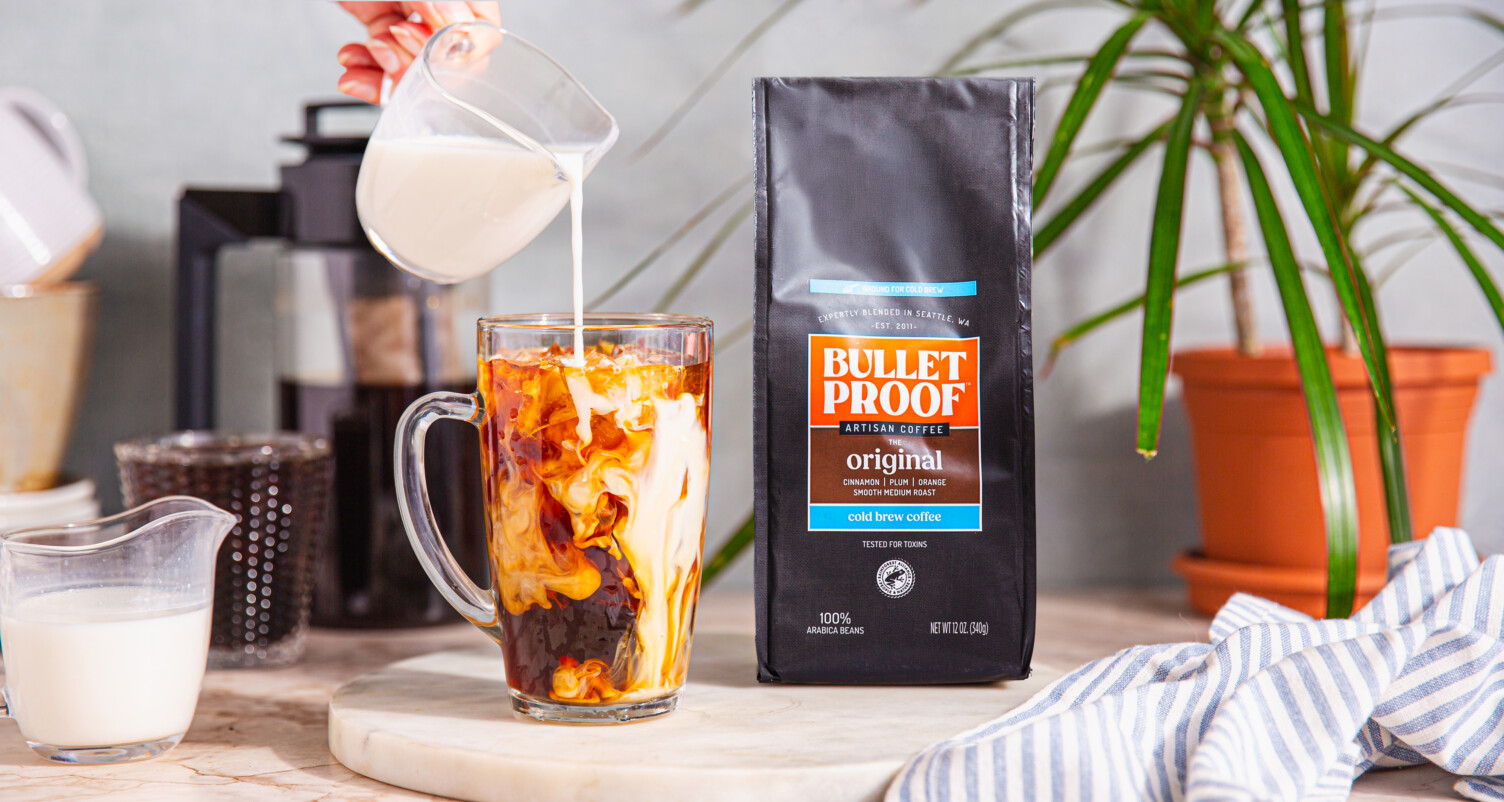
Cold Brew vs. Iced Coffee: Unpacking the Core Differences
For many coffee enthusiasts, the terms "cold brew" and "iced coffee" are often used interchangeably, leading to a common misconception that they are one and the same. While both are refreshing, chilled coffee beverages, their fundamental distinction lies in their brewing methods. Understanding this key difference is crucial to appreciating their unique flavor profiles and why one might be preferred over the other.
The Iced Coffee Method: A Chilled Classic
Traditional iced coffee begins its life as hot coffee. It's brewed using conventional methods, much like your morning cup, whether that's drip, pour-over, or French press. Hot water is used to extract flavor compounds from ground coffee beans, creating a standard hot brew. This hot coffee is then chilled, often by pouring it directly over ice, or by refrigerating it until cool. The immediate chilling process can sometimes lead to a slightly diluted flavor as the ice melts, and the rapid cooling can sometimes lock in some of the more bitter or acidic notes that are common in hot-brewed coffee.
The Cold Brew Method: A Slow, Gentle Extraction
In stark contrast, cold brew coffee is exactly what its name suggests: brewed cold. This method involves steeping coarsely ground coffee beans in cold or room-temperature water for an extended period, typically 12 to 24 hours. The absence of heat fundamentally changes the extraction process. Instead of rapidly dissolving soluble compounds with hot water, cold water slowly and gently draws out the coffee's flavors, oils, and caffeine. This lengthy, low-temperature immersion results in a coffee concentrate that is naturally less acidic, inherently smoother, and often has a bolder, richer taste compared to its hot-brewed counterpart.
Why Cold Brew Reigns Supreme for Smoothness & Flavor
The difference in brewing temperature isn't just a technicality; it profoundly impacts the final taste and texture of your coffee. Cold brew is renowned for its exceptional smoothness and lower acidity, making it a favorite for those seeking a gentler, more palatable coffee experience.
The science behind this smoothness lies in how different compounds are extracted. Hot water is incredibly efficient at extracting all soluble compounds from coffee grounds, including those that contribute to bitterness and acidity, such as chlorogenic acids. When these acids are exposed to high temperatures, they can break down into quinic and caffeic acids, which contribute to a harsher, more bitter taste. Cold water, however, is far less effective at extracting these particular compounds. Instead, it preferentially extracts the sweeter, more chocolatey, and nutty notes, leaving behind many of the bitter elements.
This slow, cold extraction process yields a coffee concentrate that is typically:
- Significantly less acidic: Often up to 60-70% less acidic than hot-brewed coffee, which is excellent for those with sensitive stomachs or acid reflux.
- Naturally sweeter: Without the bitter notes, the natural sweetness of the coffee beans shines through, often requiring less added sugar or syrup.
- Richer and bolder: The concentrated nature of cold brew delivers an intense flavor profile that holds up well to dilution with water, milk, or ice.
- Smoother on the palate: The absence of harsh, bitter compounds creates a remarkably clean and velvety mouthfeel that is instantly noticeable.
Furthermore, because cold brew is often made as a concentrate, it offers incredible versatility. It can be diluted to your desired strength, served over ice, warmed up for a unique hot coffee experience, or even used as a base for various coffee cocktails and culinary creations.
How to Make Cold Brew Coffee at Home: Your Step-by-Step Guide
Learning how to make cold brew coffee at home is not only incredibly easy but also significantly more affordable than frequent trips to a coffee shop. With just a couple of ingredients and a little patience, you can master a batch of rich, smooth cold brew right in your own kitchen. This comprehensive guide will walk you through the process, ensuring a delicious result every time.
Essential Ingredients for Superior Cold Brew
You only need two primary ingredients for cold brew, but their quality makes all the difference:
- Coffee Beans: For the best flavor, always opt for fresh, whole beans. Grinding them just before brewing preserves their volatile aromatic compounds. While any roast can technically be used, medium to dark roasts are often recommended for cold brew. These roasts tend to have deeper, richer flavors that can stand up well to the slow extraction process, whereas lighter roasts might not fully develop their nuanced notes without the aid of heat. While pre-ground coffee can work in a pinch, use it as soon as possible after grinding to prevent flavor loss. For more insights on selecting the perfect beans, refer to our guide: Master Homemade Cold Brew: Essential Tips for Beans, Grind & Flavor.
- Water: The quality of your water is paramount. Tap water, often treated with chlorine or containing various minerals, can impart undesirable flavors to your cold brew. Filtered water, free from these impurities, will result in a much cleaner, smoother, and more authentic coffee taste. Cold filtered water is ideal for starting the process.
The Crucial Grind: Why Coarse is King
The grind size is one of the most critical factors in achieving perfect cold brew. Unlike hot brewing methods that often require fine or medium grinds, cold brew demands a coarse grind. Think of a consistency similar to sea salt or breadcrumbs.
- Why Coarse? A coarse grind prevents over-extraction. With an extended steeping time, fine grounds would release too many bitter compounds and also make straining incredibly difficult, potentially leaving a silty residue in your final product. Coarse grounds allow for a slow, even extraction of desirable flavors without the bitterness, and they are much easier to separate from the liquid.
- Grinding at Home: If you have a coffee grinder, set it to the coarsest setting, often labeled for "French press." A burr grinder is preferred as it provides a more uniform grind, leading to better extraction, but a blade grinder can work if used in short pulses to avoid creating too many fine particles. If you don't own a grinder, many coffee shops or grocery stores will grind your beans for you; just be sure to specify a coarse, French press grind. A good starting point for a typical batch is around 80g of whole beans.
The Simple Steeping Process
Once you have your ingredients, the process is straightforward:
- Combine: In a large jar, pitcher, or cold brew specific maker, combine your coarsely ground coffee and cold filtered water. A common ratio is 1 part coffee to 4-8 parts water, depending on how concentrated you want your brew. A good starting point for a rich concentrate is 1:5 (e.g., 1 cup grounds to 5 cups water).
- Stir Gently: Give the mixture a gentle stir to ensure all the coffee grounds are fully saturated with water.
- Steep: Cover the container and let it steep at room temperature or in the refrigerator for 12 to 24 hours. The longer you steep, the stronger and more concentrated your cold brew will be. 16-18 hours is often considered the sweet spot for a rich yet well-balanced and smooth result.
Straining & Storage
After steeping, it's time to separate the coffee from the grounds:
- First Strain: Pour the entire mixture through a fine-mesh sieve to remove the larger coffee grounds.
- Second Strain (Optional but Recommended): For an extra smooth, sediment-free cold brew, line the sieve with a cheesecloth, a nut milk bag, or even a paper coffee filter (though this can be slow). Slowly pour the twice-strained liquid into a clean container. Do not squeeze the grounds, as this can force bitter compounds and fine particles into your brew.
- Store: Transfer your finished cold brew concentrate to an airtight container and store it in the refrigerator. It will typically stay fresh for up to two weeks.
Customizing Your Cold Brew Experience
One of the joys of homemade cold brew is the ability to tailor it precisely to your taste. Once you have your base concentrate, the possibilities are endless:
- Adjusting Strength: Your cold brew concentrate is potent! When serving, dilute it with water, milk, or your favorite dairy-free alternative until it reaches your preferred strength. A good starting ratio is 1:1 (cold brew to water/milk), but feel free to experiment.
- Sweeteners: While cold brew is naturally sweeter than hot coffee, you can enhance it with syrups (simple syrup, vanilla, caramel), honey, agave, or even a touch of condensed milk.
- Flavor Infusions: Get creative! Add spices like cinnamon sticks or cardamom pods to the grounds during steeping, or infuse your finished cold brew with a splash of vanilla extract, a hint of chocolate syrup, or a twist of citrus rind.
- Serving Suggestions:
- Over Ice: The classic way to enjoy.
- Warm: Surprisingly delicious! Simply heat a portion of your diluted cold brew for a uniquely smooth hot coffee.
- Cocktails & Mocktails: A fantastic base for espresso martinis, coffee milkshakes, or non-alcoholic coffee spritzers.
Embrace the Smooth Revolution
Whether you're a seasoned coffee connoisseur or simply looking for a smoother, less acidic alternative to your regular cup, cold brew offers a delightful experience. Its distinct brewing process delivers a naturally sweet, bold, and incredibly smooth flavor that's hard to beat. By learning how to make cold brew coffee at home, you unlock a world of customizable, high-quality coffee without the premium price tag. So, skip the coffee shop queue, gather your simple ingredients, and embark on your journey to brewing the perfect, velvety cold brew. Not only will you savor a superior cup, but you'll also find yourself saving money with this Easy Homemade Cold Brew: Save Money & Sip Smooth Coffee.
